eNEG Mobility Wants to Sell an Electric Taxi at ₹4.5 Lakh
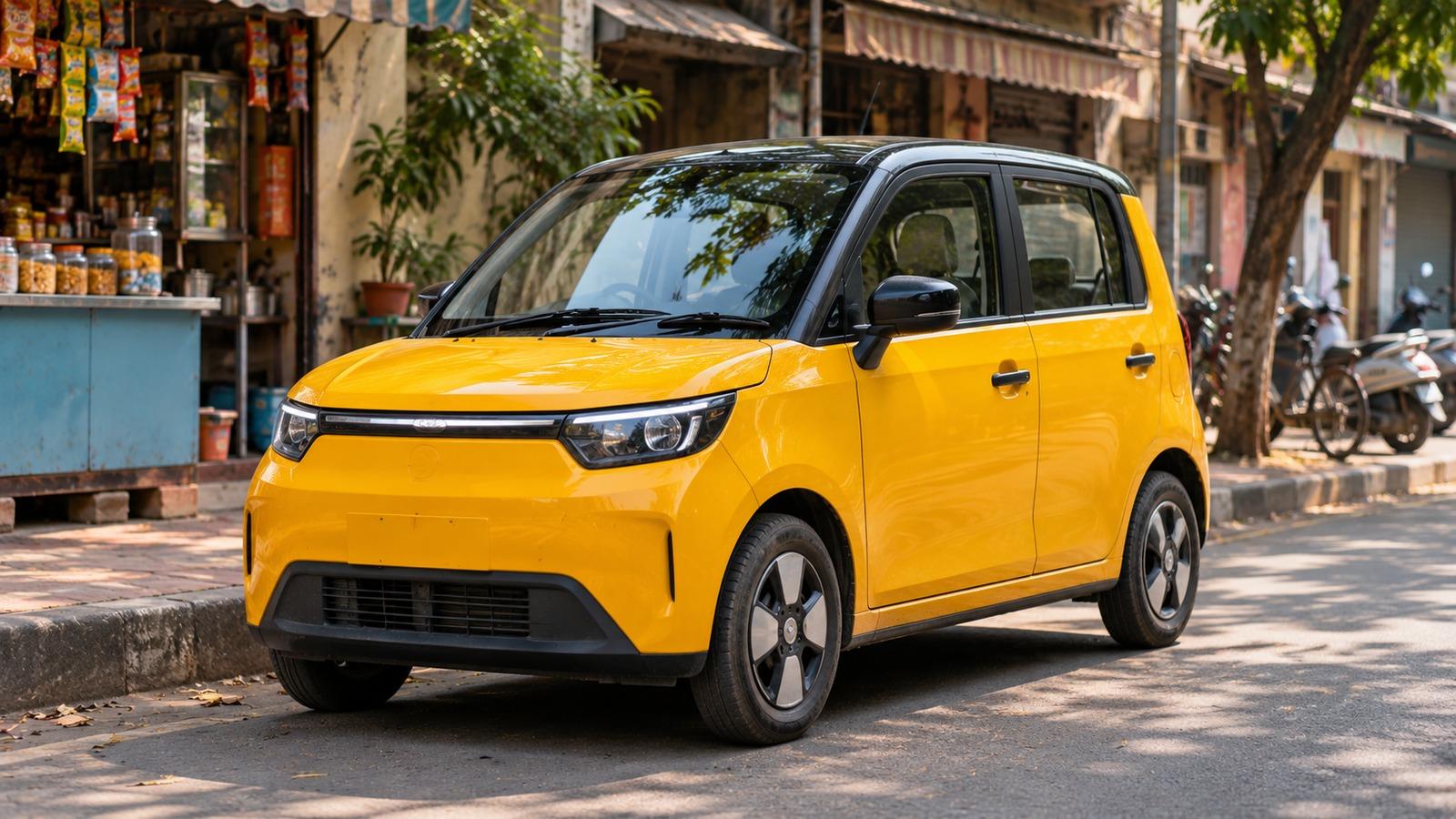
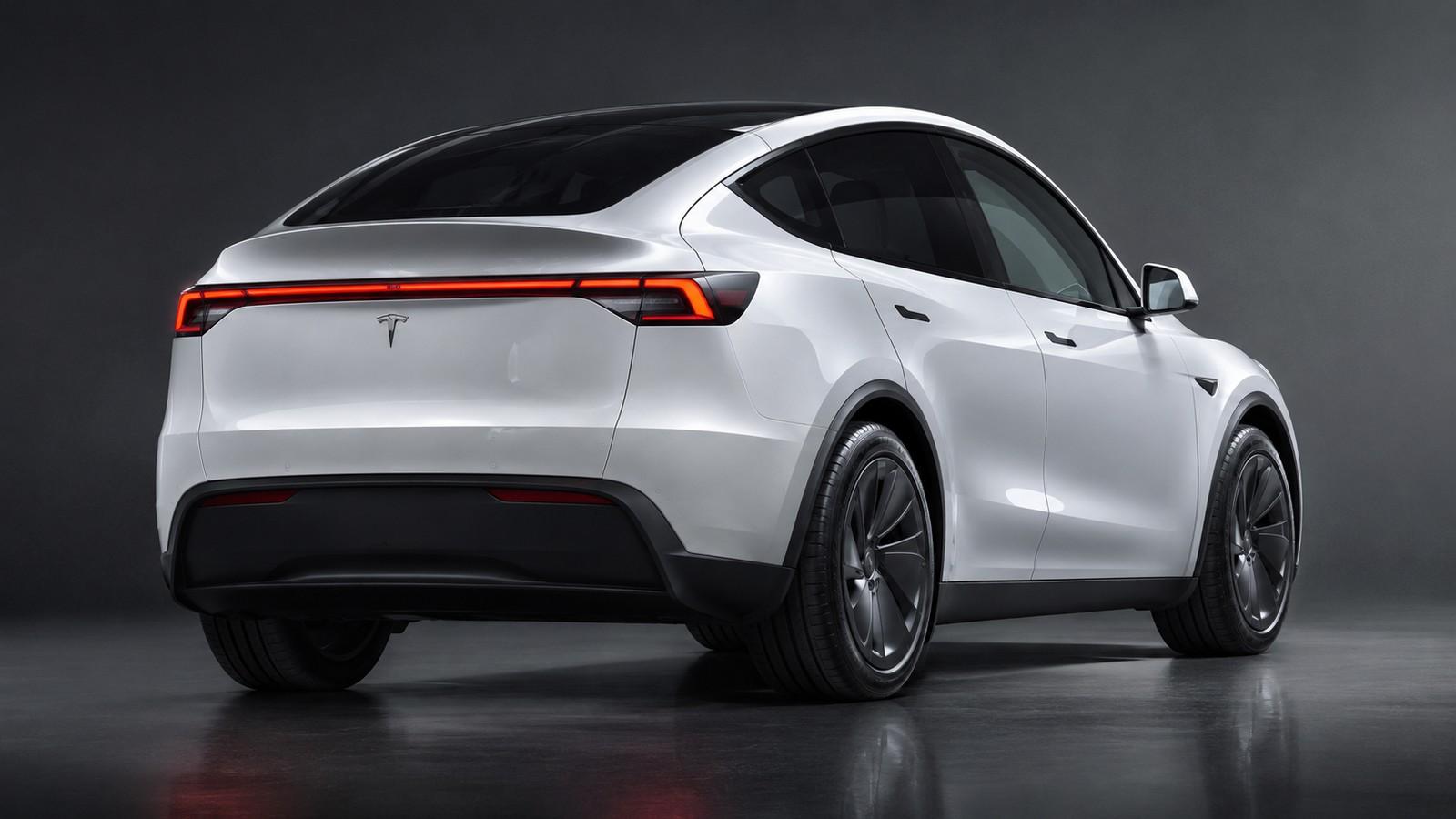
Representative image (AI-generated)
An Ahmedabad startup says it can put an electric taxi on the road for ₹4.5 lakh, as long as you don't buy the battery with it. eNEG Mobility, run by Scouto co-founder Akshay Gupta, told Autocar Professional it is developing a five-seat electric mini-SUV for fleet operators that is sold without its battery pack, with the battery coming on a subscription instead. Buy it with the battery and eNEG's proposed on-road figure is ₹6.49 lakh.
₹4.5 lakh on its own is not a record. MG already sells the Comet EV from ₹4.99 lakh without the battery, plus ₹3.3 per km to use it. What eNEG is promising for roughly the same money is a very different vehicle: five seats, a claimed 300 km-plus of range, and a pack you can swap.
The spec sheet, with an asterisk
Every number below is a development target the company has given, not a tested figure. eNEG says they may change.
- Battery: 30-32 kWh LFP
- Claimed range: 300-320 km per charge
- Motor: 50 kW (67 hp), around 150 Nm, rear-wheel drive
- Targeted top speed: 80 kph
- Fast charging: 10-80% in roughly 27 minutes on DC
- Swappable pack: targeted 7-minute replacement
- Seating: 5, positioned between the Maruti Wagon R and the Dzire
That 80 kph figure tells you who this is for. It is a city cab, not a highway car, and that is the correct call. A fleet in Ahmedabad or Surat does not need 160 kph. It needs a vehicle that costs less per kilometre than a CNG hatchback.
Gupta put the battery cost at roughly ₹1 per km. The company calls that an estimate and says subscription charges and terms are not finalised, so hold that number loosely. It is the most aggressive claim in the whole pitch. MG currently charges ₹3.3 per km on the Comet EV's subscription and ₹4.3 per km on the Windsor EV's entry variant. eNEG is proposing to undercut that by two-thirds or more, on a bigger vehicle, as a company with no plant.
Why "without the battery" is the whole story
Battery-as-a-service already exists here, bolted onto cars designed to be sold whole. What is different is a vehicle drawn around it from the first sketch, for buyers who do their sums in rupees per kilometre rather than EMIs.
The fleet operator's logic is blunt. Drop the day-one cost, turn the energy into a running expense, and the vehicle competes with a CNG car on the only line that matters. Seven-minute swapping, if it works, removes the other objection, because a cab sitting at a charger for 27 minutes is a cab not earning.
The EVGyan take
Keep expectations honest. eNEG has no launch date, no disclosed funding and no plant. It is laying groundwork in Gujarat and still hunting for a supplier who can hand it a ready platform, or a body-in-white, rather than engineering a chassis itself, because Gupta reckons independent chassis tooling would run close to $100 million. That is a polite way of saying the company cannot fund one. Treat this as a plan, and plans at this stage slip, shrink or quietly disappear.
The gap it is aiming at is real, though. India has no purpose-built electric taxi, only passenger cars that fleets buy anyway, and fleets are exactly where EV running costs win hardest. Somebody will build the cheap electric cab. The useful part of eNEG's pitch is the structure, not the startup.
Related: 36,708 electric cars in October: Tata holds 39.6% as Mahindra, MG gain
Sources
Get India's monthly EV sales data by email
Every month we pull the Vahan registration numbers apart — by segment, by state, by model — and send you what actually changed. No brand pressure, no hype.
One email a month. Unsubscribe anytime. See our privacy policy.
Read next
On This Page
Latest
- VinFast VF5 Facelift Revealed With a 43kWh Battery, and It Is Already Patented in India
- Tesla Model Y RWD Gets 43 km More Range, Price Unchanged
- Electric Defender Confirmed for 2027, Smaller Than the Defender 90
- Mahindra and Uber Are Going After 5,000 Electric Autos
- Mahindra M13Electro Brakes at 700 kW, Races at Just 450 kW
- Audi A4 e-tron Pushed to 2029 Over a 48-Volt Rethink
- COMAC CE-25A: China's 19-Seat Electric Plane Flies With a Crew