EKA Mobility's 6 New Plants Can Build 40,000 EVs a Year
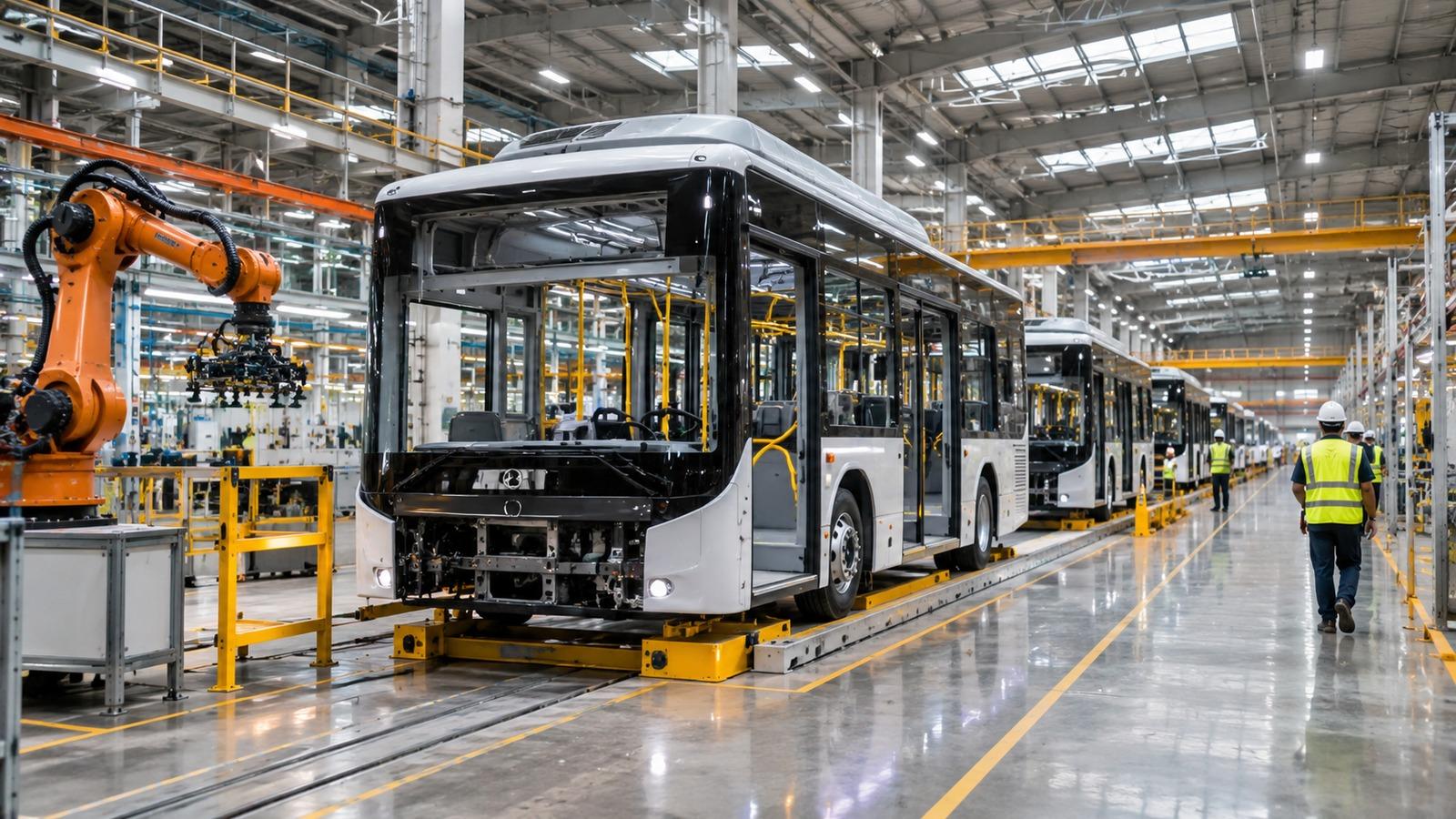
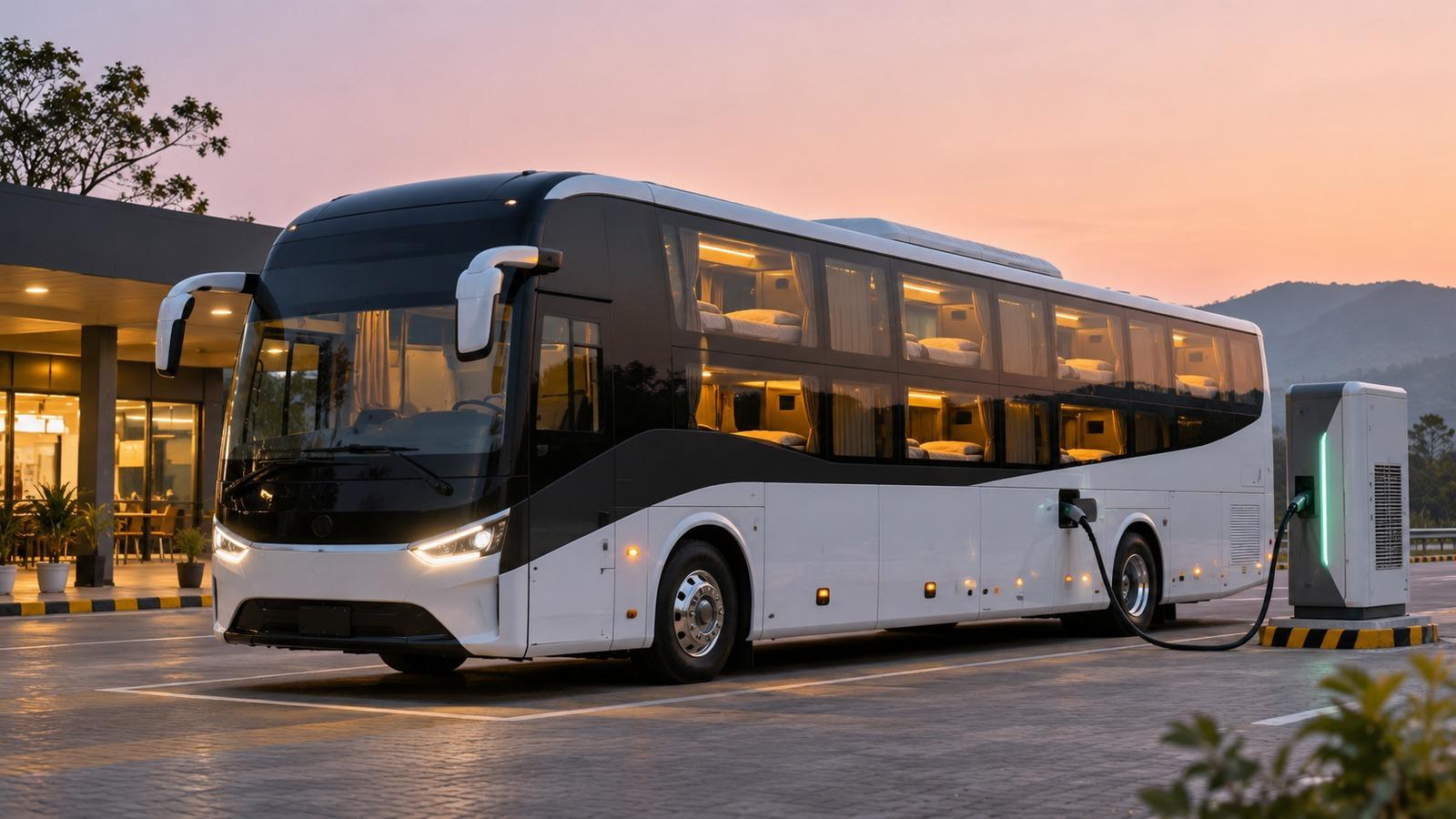
Representative image (AI-generated)
EKA Mobility and the Pinnacle group switched on six new factories on Friday, part of a manufacturing push of more than ₹3,500 crore. Across all 11 of its plants, the group now says it can build over 40,000 electric vehicles a year.
Five of the six are in Pune, one is in Pithampur, Madhya Pradesh. Two of the EKA Mobility manufacturing plants build small commercial vehicles, buses and trucks; the others make components and interiors, under VDL Pinnacle Engineering, Instor India and Pinnacle Seating and Interiors. All 11 facilities sit on 120 acres.
Nitin Gadkari and Devendra Fadnavis both turned up, and both told the company its new capacity is too small.
The numbers behind the plants
- Investment: over ₹3,500 crore
- Annual capacity across 11 plants: over 40,000 EVs
- R&D: over ₹600 crore
- Jobs expected over five years: more than 2.5 lakh, across operations and suppliers
- H1 FY27 volumes: 1,786 vehicles, of which 500 were buses and 1,286 small commercial vehicles
- H1 FY26 volumes: 133 vehicles
That last pair is the one to sit with: 133 vehicles in the first half of last financial year, 1,786 in the first half of this one. A small base, but that is the shape of the electric bus and truck market right now.
Why both ministers said it isn't enough
Fadnavis said Maharashtra alone will need about 50,000 electric buses inside three years. Gadkari went further: a 30,000-vehicle capacity is not enough, and even a capacity of a lakh trucks and buses would not meet what is coming. He put national bus demand at 1.5 lakh over two years against a current industry capacity of about 60,000.
Put EKA's 40,000 a year next to a 1.5 lakh requirement and the gap is obvious. This is not a company being told off. It is a supplier being told to hurry.
He also repeated his localisation line: 30-40% of EV components still come from one country, and India needs "100 per cent indigenous electric vehicles". He reminded the room too that e-trucks now get an extra five-tonne payload allowance to make up for battery weight, the kind of unglamorous rule change that decides whether an electric truck earns money.
What this means for you
If you ride a city bus, this is your story more than any scooter launch. The order book EKA is working through is heavily bus-led, reported at over 11,000 buses worth about $1.7 billion. Those buses end up on STU routes, quieter and cheaper to run than the diesel ones they replace.
The EVGyan take
India's electric bus problem has never been demand. State transport undertakings keep floating tenders; the trouble is who can actually deliver at scale and on time. Six plants in one day is a real answer to that, even if the ministers in the room wanted a bigger one. The number to watch is not the ₹3,500 crore. It is whether 1,786 vehicles in six months becomes five figures next year.
Sources
Get India's monthly EV sales data by email
Every month we pull the Vahan registration numbers apart — by segment, by state, by model — and send you what actually changed. No brand pressure, no hype.
One email a month. Unsubscribe anytime. See our privacy policy.
Read next
On This Page
Latest
- VinFast VF5 Facelift Revealed With a 43kWh Battery, and It Is Already Patented in India
- Tesla Model Y RWD Gets 43 km More Range, Price Unchanged
- Electric Defender Confirmed for 2027, Smaller Than the Defender 90
- Mahindra and Uber Are Going After 5,000 Electric Autos
- Mahindra M13Electro Brakes at 700 kW, Races at Just 450 kW
- Audi A4 e-tron Pushed to 2029 Over a 48-Volt Rethink
- COMAC CE-25A: China's 19-Seat Electric Plane Flies With a Crew