
Amara Raja Is Going From 4 GWh to 9 GWh of Battery Packs
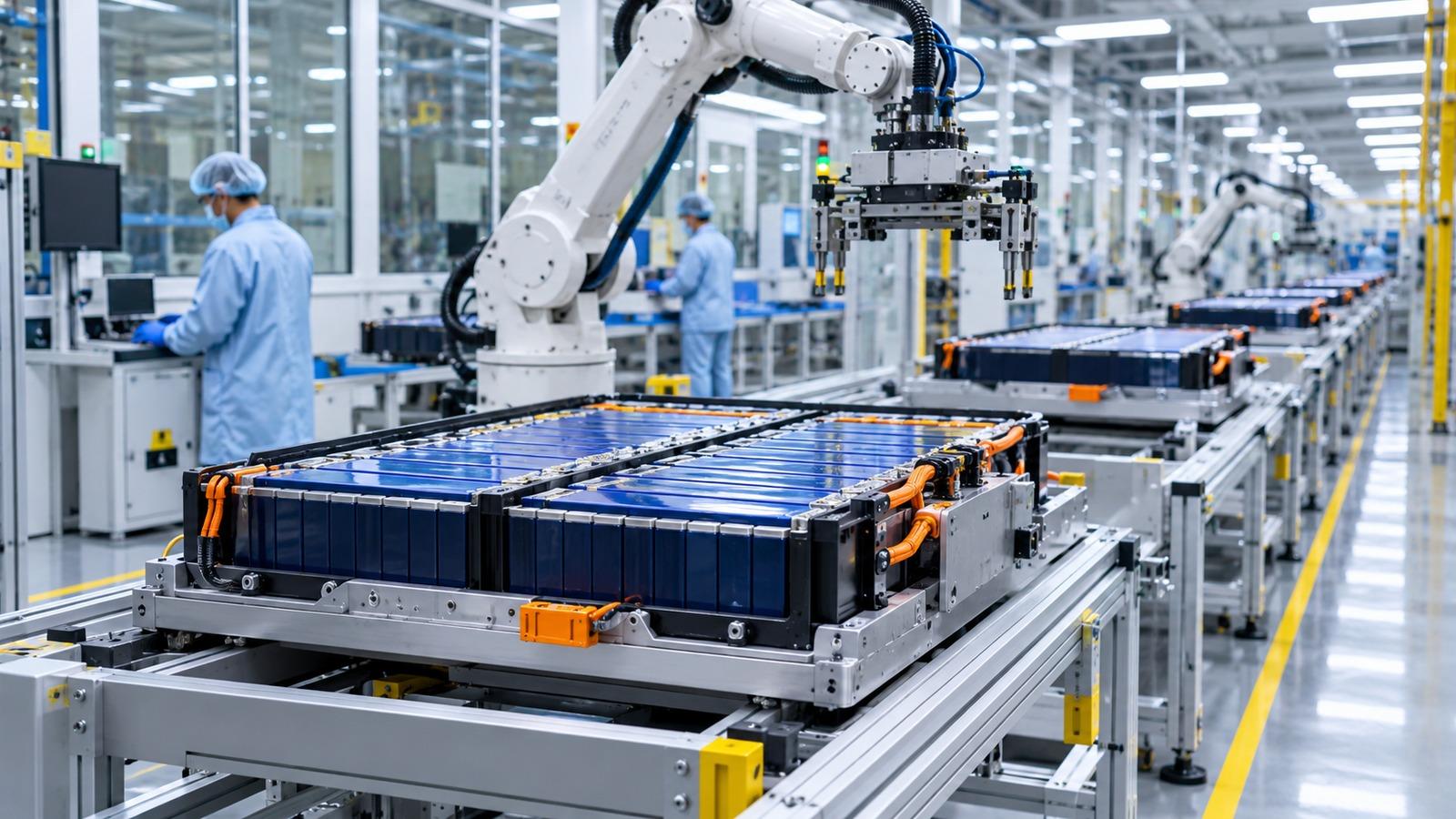
Representative image (AI-generated)
Amara Raja is putting ₹2,320 crore into taking its battery pack capacity from 4 GWh to 9 GWh, and into a lithium iron phosphate cell plant in Telangana. The spend was disclosed on 2 November.
The Amara Raja battery capacity decision deserves more attention than the headline number suggests, because of which half of it is new. India already builds battery packs in volume. India barely makes the cells that go inside them.
What got approved
The money flows through Amara Raja Advanced Cell Technologies, a wholly owned subsidiary, and covers two things at the company's Giga Corridor site in Telangana:
- Pack capacity: 4 GWh today, 9 GWh after. That is 5 GWh added, a 125% increase
- A new LFP cell plant, whose size the company has not revealed
- Timeline: 30 months from 2 November, so roughly May 2029
- Funding: part equity, part debt, ratio unstated
The cell plant matters more than the packs
Pack assembly is the softer end of this business. You buy cells, mostly from China, then build the module, housing, cooling and battery management around them. The expensive, slow, genuinely hard part is making the cell itself.
Amara Raja has been inching towards it for years. The Giga Corridor is a ₹9,500 crore programme aimed at 16 GWh. In July the company opened a 60 MWh customer qualification plant there, costing about ₹500 crore, inaugurated by Telangana chief minister A. Revanth Reddy. A qualification plant is a small line that makes sample cells so customers can test and approve them before the big factory switches on. Validation samples were due from August 2026, and the first commercial phase of Giga 1, worth 2 GWh, is scheduled for 2027.
Set the new approval against that 16 GWh target and the shape is clear. Amara Raja is funding the step that turns a slide deck into a building.
Picking LFP is also the right read. It costs less than nickel-based chemistry, copes better with Indian heat, and is already what most mass-market EVs sold here run on.
The EVGyan take
Watch the competition, not the capacity. Exide Energy commissioned Phase I of its own 6 GWh cell plant at Devanahalli near Bengaluru in September, and Exide has now put ₹4,902 crore into that subsidiary. Both companies are chasing the same customers.
A plant finishing around May 2029 is a bet on how big the market is then, not now. India registered a record 3,54,137 EVs in October, and home-made cell supply is only just starting to arrive. If Amara Raja is still two and a half years away from volume cells, its rivals get two and a half years to sign those contracts first.
Approving money is the easy part. Delivery is where this one has slipped before: the gigafactory's first phase was originally meant to start in FY26, then moved to FY27.
Sources
Get India's monthly EV sales data by email
Every month we pull the Vahan registration numbers apart — by segment, by state, by model — and send you what actually changed. No brand pressure, no hype.
One email a month. Unsubscribe anytime. See our privacy policy.
Read next

Latest
- VinFast VF5 Facelift Revealed With a 43kWh Battery, and It Is Already Patented in India
- Tesla Model Y RWD Gets 43 km More Range, Price Unchanged
- Electric Defender Confirmed for 2027, Smaller Than the Defender 90
- Mahindra and Uber Are Going After 5,000 Electric Autos
- Mahindra M13Electro Brakes at 700 kW, Races at Just 450 kW
- Audi A4 e-tron Pushed to 2029 Over a 48-Volt Rethink
- COMAC CE-25A: China's 19-Seat Electric Plane Flies With a Crew