
China Exported 582,000 EVs in October, 16x India's Market
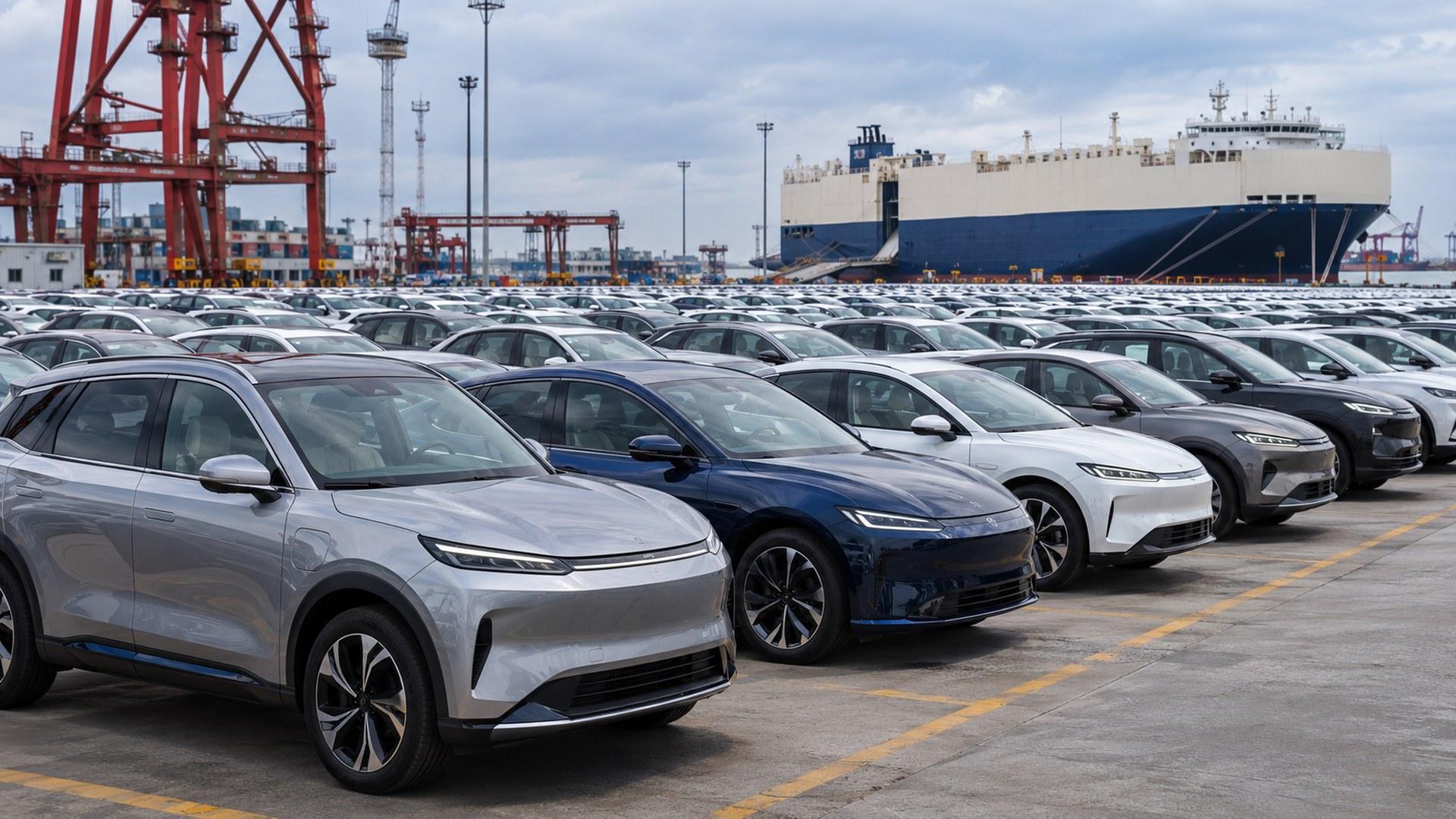
Chinese factories shipped out 582,000 electric and plug-in hybrid passenger cars in October. India's entire electric car market that same month was 37,049 units. That is the scale of China EV exports right now, and the gap is worth sitting with for a minute.
The export figure comes from the China Passenger Car Association (CPCA), whose October numbers landed on 9 November. Exports were up 144.7% on the same month last year and 3.9% on September. For the first ten months of 2026, China has sent out 4.472 million new energy passenger vehicles, up 139.7%.
India's side of that comparison is FADA's October retail data: 37,049 electric cars, up 76.47% from 20,995 a year earlier, with EVs taking 7.3% of all car retails.
One month out of China, nearly 16 Indias
Divide 582,000 by 37,049 and you get 15.7. China exported nearly sixteen times India's whole monthly electric car market, and those are only the cars leaving the country. Domestic retail was another 1.109 million.
That comparison needs one honest caveat. China's 582,000 counts battery electrics and plug-in hybrids together. India's 37,049 is electric cars. CPCA says battery electrics made up 61.7% of October's NEV shipments, with conventional plug-in hybrids at 33.7%. Run the pure-electric slice only and you still get roughly 359,000 cars, close to ten times what India retailed.
Either way the ratio is not a rounding error. It is the difference between a market that builds for the world and one that is still building for itself.
BYD retailed 737 cars in India and exported 164,679
Here is the number that should stay with you. BYD exported 164,679 passenger NEVs out of China in October, taking a 28.3% share of the country's exports. In India, the same company retailed 737 electric cars that month.
That is 223 BYDs leaving China for every one BYD finding an Indian buyer.
BYD's export month was up 105.6% year on year, though down 5.5% from September, and its share slipped from 31.1%. Across January to October it has shipped 1,465,753 units, a third of everything China exports. (Global Times puts BYD's October figure at 165,194 rather than CnEVPost's 164,679, a difference of 515 units; both are CPCA-sourced.)
The rest of the October top five:
- Chery: 83,843 units, 14.4% share, up 105.4%
- Geely: 80,119 units, 13.8% share, up 488.0%
- Tesla China: 59,012 units, 10.1% share, up 66.3%
- SAIC Passenger Vehicle: 42,030 units, 7.2% share, up 616.7%
Geely is the story inside the story. It has closed to within 3,724 units of Chery, from a gap of 13,097 in September. Tesla's Shanghai plant, meanwhile, is now effectively an export hub: its China retail collapsed to 8,817 cars in October while its export line nearly doubled.
Why your showroom doesn't feel this
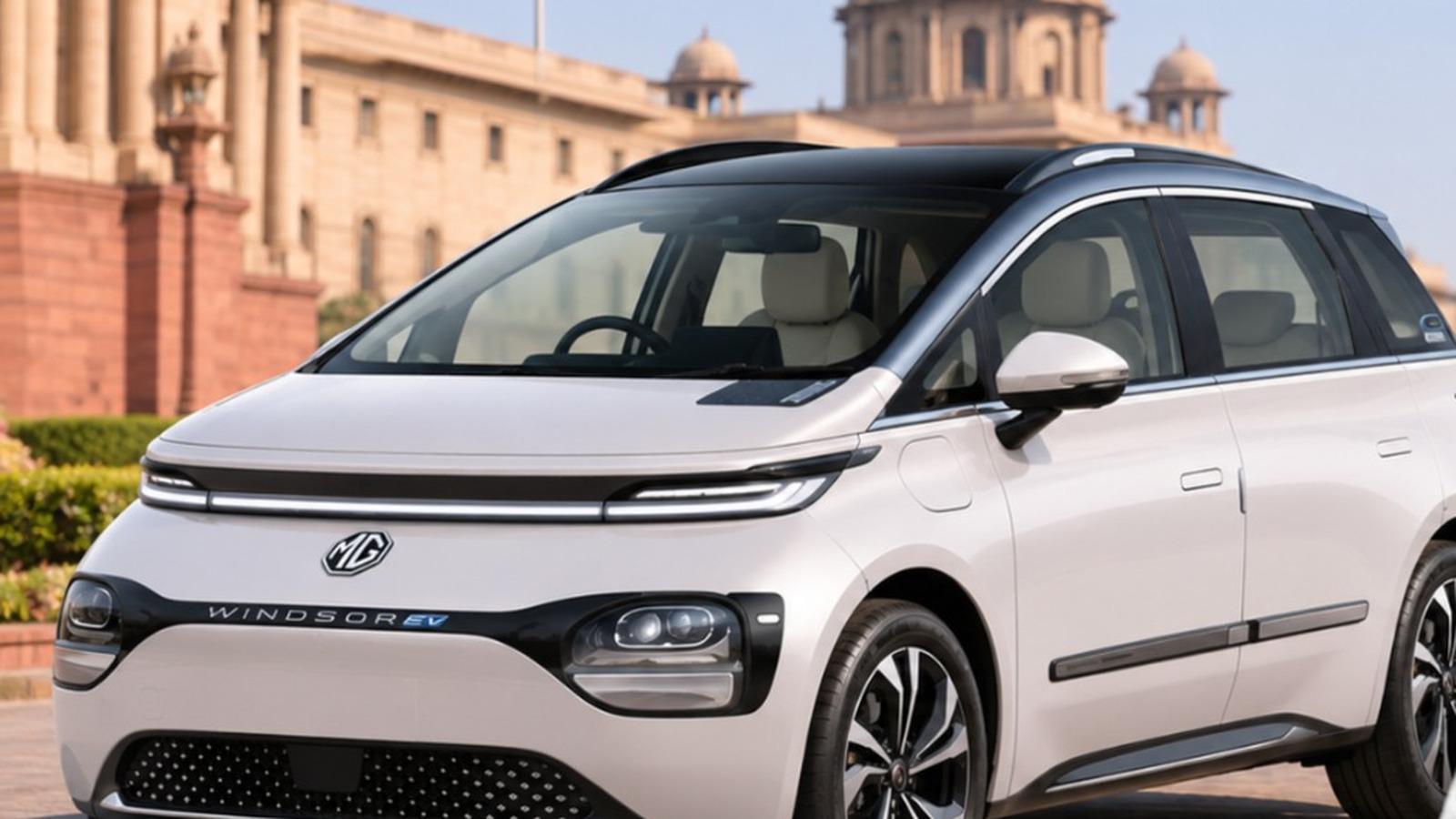
Almost none of this volume is pointed at India, and that is deliberate. India's import duties on built-up cars keep Chinese EVs out unless they are assembled here, and the rules on Chinese investment keep the factories out too. BYD sells in India through a small CKD operation. MG, which is Chinese-owned but runs as a JSW joint venture, retailed 5,939 electric cars in October and sits third behind Tata's 14,669 and Mahindra's 8,538.
So the flood goes elsewhere. The IEA has recorded Chinese-made electric car sales growing 130% in Southeast Asia, 60% in the Middle East and 55% in Latin America. Europe has since added extra duties on battery electrics built in China, which pushes those brands harder towards exactly the emerging markets above.
Of every 100 passenger cars China shipped abroad in October, 62.8 were new energy vehicles. A year earlier that share was 20 points lower. China is not exporting cars any more. It is exporting electric ones.
What this means for you
Three things, practically.
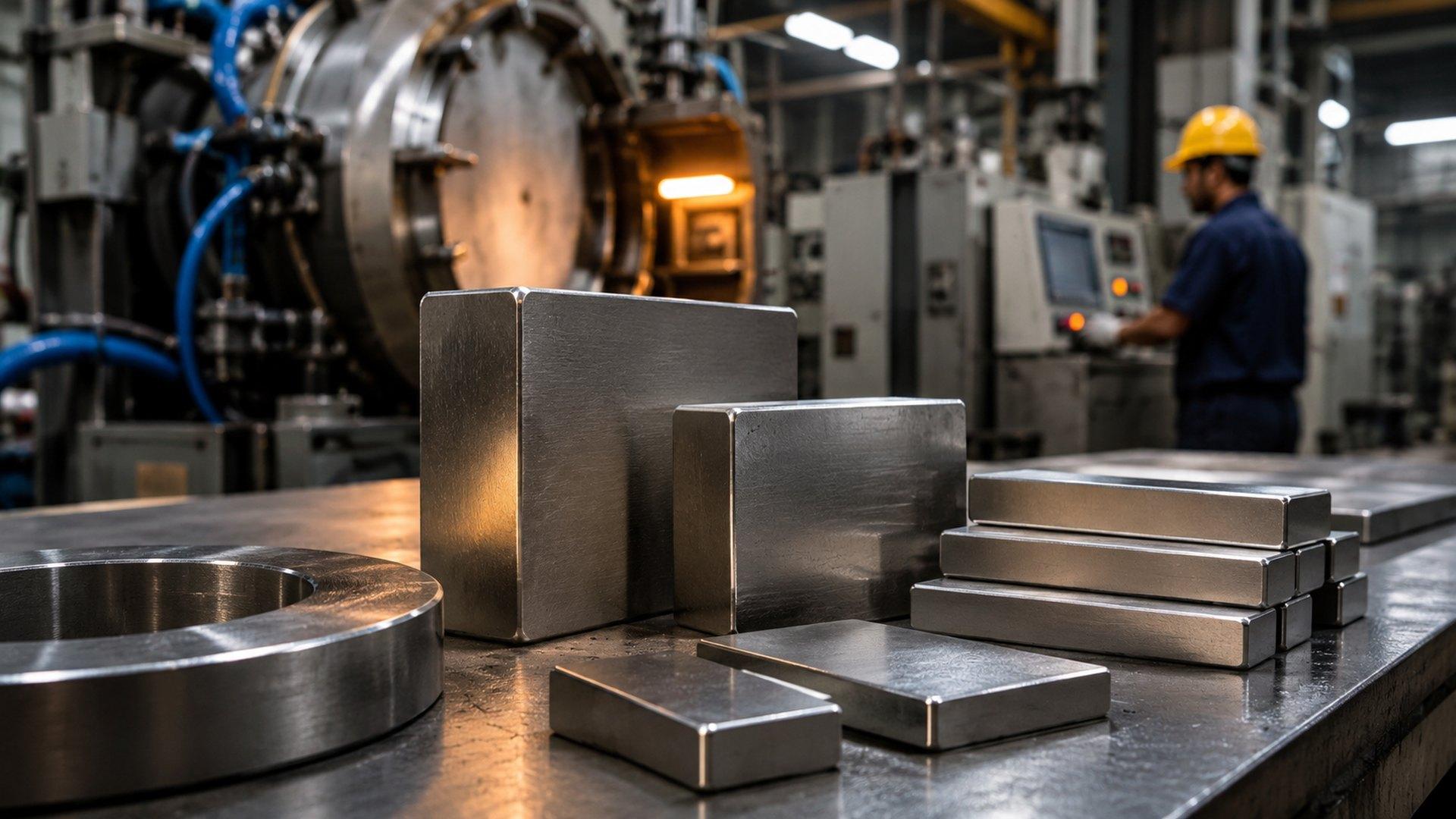
First, component prices. India's EV makers buy cells, magnets and power electronics from the same Chinese supply chain that is feeding 582,000 exports a month. Scale that big generally pushes component costs down, and that eventually reaches the price of a Nexon EV or a Chetak. The flip side showed up this month in the rare earth magnet curbs, where the same dependence works against us.
Second, the pressure is on India's neighbours before it is on India. Thailand, Indonesia and the Gulf are where Chinese EVs are landing. When Indian brands look at exports, those are the markets where they will meet BYD, not at home.
Third, don't read the gap as India failing. India's electric car retails grew 76.47% in October. Mahindra alone went from 4,599 to 8,538 cars. That is a market finding its feet, not one standing still. It is just starting from a much smaller base.
The EVGyan take
The honest reading is that China solved manufacturing scale first and is now selling the surplus abroad, partly because its own market is cooling. Domestic NEV retail actually fell 13.7% in October. Exports are what is keeping those factories full.
CPCA secretary-general Cui Dongshu expects overall vehicle export growth to slow to around 10% next year, with Russia steadying and Europe getting harder. If that happens, Chinese makers will push even more aggressively into open markets, and Indian manufacturers planning exports should budget for that fight.
For buyers here, the near-term effect is mostly good: cheaper cells, more model variety, faster technology trickle-down. The long-term question is whether India builds enough of its own supply chain before the cost advantage becomes a dependence. The ₹14,500 crore battery storage push and the ₹2,814 crore lithium and nickel processing scheme are both aimed at exactly that, and both are still years from producing cells at scale.
Worth tracking from here: BYD's share. It has already slipped from 32.8% across the year so far to 28.3% in October, while Geely's exports grew 488.0%. If China's export boom really is about to cool, the first crack will show up in that ranking table before it shows up in the headline total.
Sources
Get India's monthly EV sales data by email
Every month we pull the Vahan registration numbers apart — by segment, by state, by model — and send you what actually changed. No brand pressure, no hype.
One email a month. Unsubscribe anytime. See our privacy policy.
Read next
On This Page
Latest
- Accelero's eBik Jumps From 3,000 to 12,000 Units a Year
- CATL Is at 2,520 Swap Stations and Wants 3,000 by December
- China Rare Earth Curbs Delayed to 10 January: India's EVs Get 60 Days
- Force Traveller EV Arrives Q1 2027, ₹3,000 Crore Behind It
- Honda Ohio Plant: $3 Billion for Hybrids, Not EVs
- HPCL EV Charging Network Now 5,981 Points, 176 for Swapping
- Mercedes EQS Did 867 km on One Charge, 116 km Over Its Rating