
Ford Says It Beat BYD by 30%. It Won't Say Against What
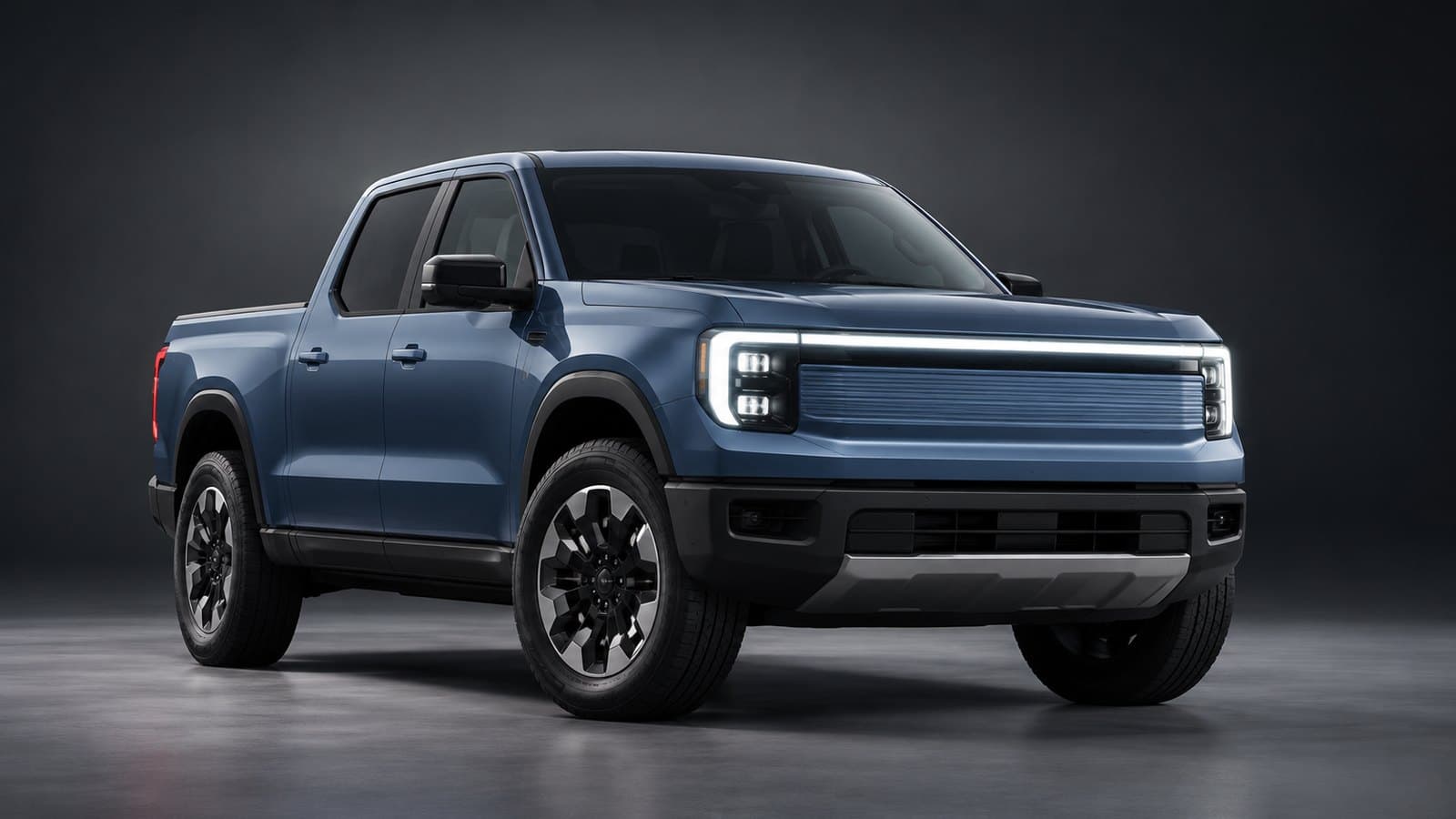
Representative image (AI-generated)
Ford says the motors, gearboxes and inverters on its new Universal EV platform beat BYD's on efficiency by roughly 30%. CEO Jim Farley made the claim on the company's third-quarter earnings call, as first reported by InsideEVs. What he did not say is which BYD system he was comparing against.
That missing detail is the whole story.
Why efficiency matters more than it sounds
A more efficient drivetrain lets you hit the same range with a smaller battery. The battery is the most expensive part of any EV, so shaving it is the cleanest way to cut the sticker price without cutting the car.
Farley's point was exactly that. Better motors mean Ford can design a smaller pack. The first car to use it is the Fathom, a midsize electric pickup that starts at $28,350 plus delivery, arriving late in 2027.
Ford has been open that the Universal EV platform exists to compete with Chinese carmakers on cost. On this one measure, it says it is ahead.
The number needs a baseline
BYD does not have one drivetrain. It has several, across price points from budget hatchbacks to performance saloons, and they are not equally efficient.
Saying you are 30% better than BYD without naming the comparison is like saying your scooter is faster than a Honda. Which Honda? A 30% gain over BYD's cheapest city-car unit is a very different claim from a 30% gain over its newest e-platform. Ford has not published the test conditions either.
None of that makes the claim wrong. Ford has spent heavily on this platform and genuinely redesigned the parts count and the manufacturing process around it. It just means the number cannot be checked yet.
What this means for you
Nothing immediate for Indian buyers. Ford does not sell EVs here and the Fathom is a US pickup.
What travels is the method. Every carmaker selling affordable EVs in India faces the same equation: the battery is the cost, so either you buy cheaper cells or you need fewer of them. Tata, Mahindra and Maruti are all working the same problem. If Ford's efficiency route holds up, it is an argument that engineering can beat scale, which is useful news for anyone who is not BYD.
The EVGyan take
Treat this as a claim, not a result. It came from an earnings call, which is where companies talk to investors, and the comparison is unnamed and untested by anyone outside Ford.
We will know in late 2027. If the Fathom delivers competitive range on a visibly smaller pack than a comparable BYD, Farley was right. Until a reviewer puts both on a charger and measures what goes in, 30% is a number with no denominator.
On This Page
Trending
- Hero VIDA UBX 06 Pro Electric Bike Could Launch in India in 2027, Here's What We Know
- Hero VIDA VX2 Wireless Charging Revealed: Charge Without Plugging In
- Hero VIDA Project VXZ: New Electric Motorcycle Showcased at EICMA 2026
- Mahindra Electric SUV Output Jumps 50% to 12,000 a Month
- ChargeZone's 1,000 New Sites Will Carry 480kW Chargers
- Tata iRA.ev App: 4 High-Severity Flaws, Already Patched
- Gadkari Proposes ₹3/Unit Night EV Charging for Maharashtra