India's Next EV Policy Phase: 4 Things That Decide What Your EV Costs in 2027
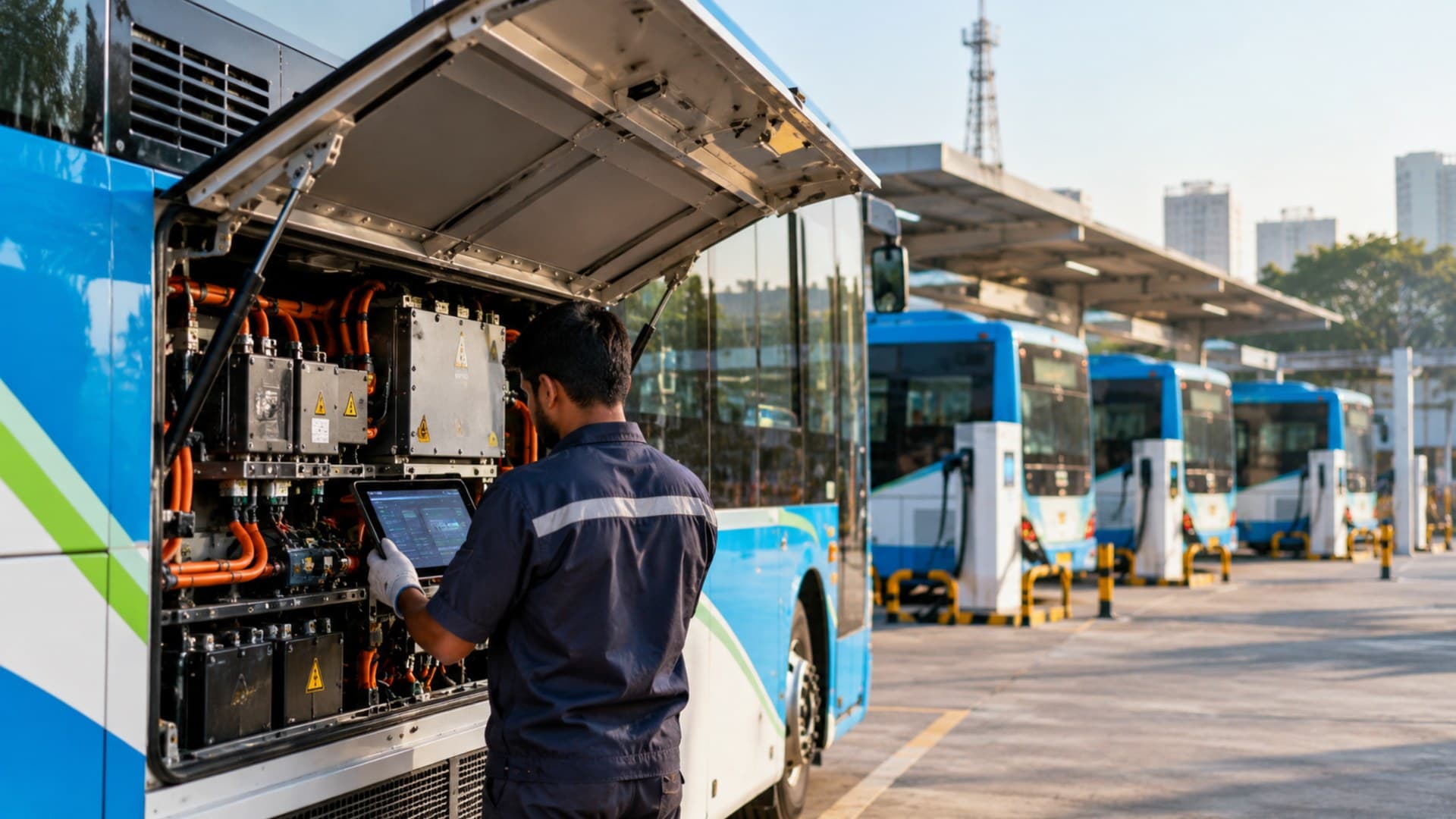
Representative image (AI-generated)
Four things decided at policy tables this week will show up in EV price tags in 2027, and none of them is a subsidy. All four come from the Autocar Professional India EV Conclave held in New Delhi on 27-28 October, and from Autocar Professional's coverage of it.
1. The next EV policy is about supply, not discounts
Per Autocar Professional, the government's next EV policy phase targets rare-earth chokepoints, cybersecurity, battery cell manufacturing and pulling foreign plants into India, rather than more purchase subsidies. For buyers that is a slower, less visible kind of help. A subsidy cuts your price today; a domestic magnet or cell supply keeps prices from jumping when China tightens exports, the way it did to Bajaj's Chetak line in mid-2025.
2. States keep moving the tax goalposts
Luxury EV makers were blunt about this. Mercedes-Benz India's Santosh Iyer said sudden state and municipal tax changes hurt more than trade talks do, and that some states have already seen EV bookings fall after local hikes. Volvo Cars India's Jyoti Malhotra asked for multi-year predictability. The central 5% GST is the same everywhere; what changes your on-road price is the state road tax, and that can move with one notification.
3. India trains EV technicians, then exports them
The Automotive Skills Development Council said Germany and Australia are actively recruiting Indian EV technicians, while India itself is short of them. Every EV sold this year needs a trained service bay in 2027. If you buy in a smaller city, ask the dealer how many EV-certified technicians it has, not how many bays.
4. A cleaner way to pay for electric buses
Electric buses cost far more than a diesel bus upfront, and operators have long struggled to borrow against city contracts that pay late. Two things are changing that, per the conclave discussion: the central Payment Security Mechanism under PM-eBus Sewa, which guarantees operator payments if a transport body defaults, and standardised Gross Cost Contracts, where the city pays a fixed per-km rate. Together they make bus contracts predictable enough for pension funds and other institutional lenders to finance fleets. That is how a city with a thin budget still gets electric buses.
The EVGyan take
None of this makes a headline the way a new scooter does. But a tax notification can wipe out a ₹10,000 price cut overnight, and a cell plant can protect you from a ₹50,000 price hike. Policy is the boring part of your EV's price. It is also the biggest part.
Correction (31 Oct 2026): An earlier version of this article said operators were using municipal contracts as collateral to finance electric bus fleets. The financing route discussed at the conclave is the Payment Security Mechanism under PM-eBus Sewa and standardised Gross Cost Contracts, which make contracts bankable for institutional lenders. The article has been corrected.
On This Page
Trending
- Hero VIDA UBX 06 Pro Electric Bike Could Launch in India in 2027, Here's What We Know
- Hero VIDA VX2 Wireless Charging Revealed: Charge Without Plugging In
- Hero VIDA Project VXZ: New Electric Motorcycle Showcased at EICMA 2026
- Mahindra Electric SUV Output Jumps 50% to 12,000 a Month
- ChargeZone's 1,000 New Sites Will Carry 480kW Chargers
- Tata iRA.ev App: 4 High-Severity Flaws, Already Patched
- Gadkari Proposes ₹3/Unit Night EV Charging for Maharashtra