Waymo's Next Robotaxi Is a Toyota bZ, Testing From 2027
AI illustration based on Toyota/Waymo's official image
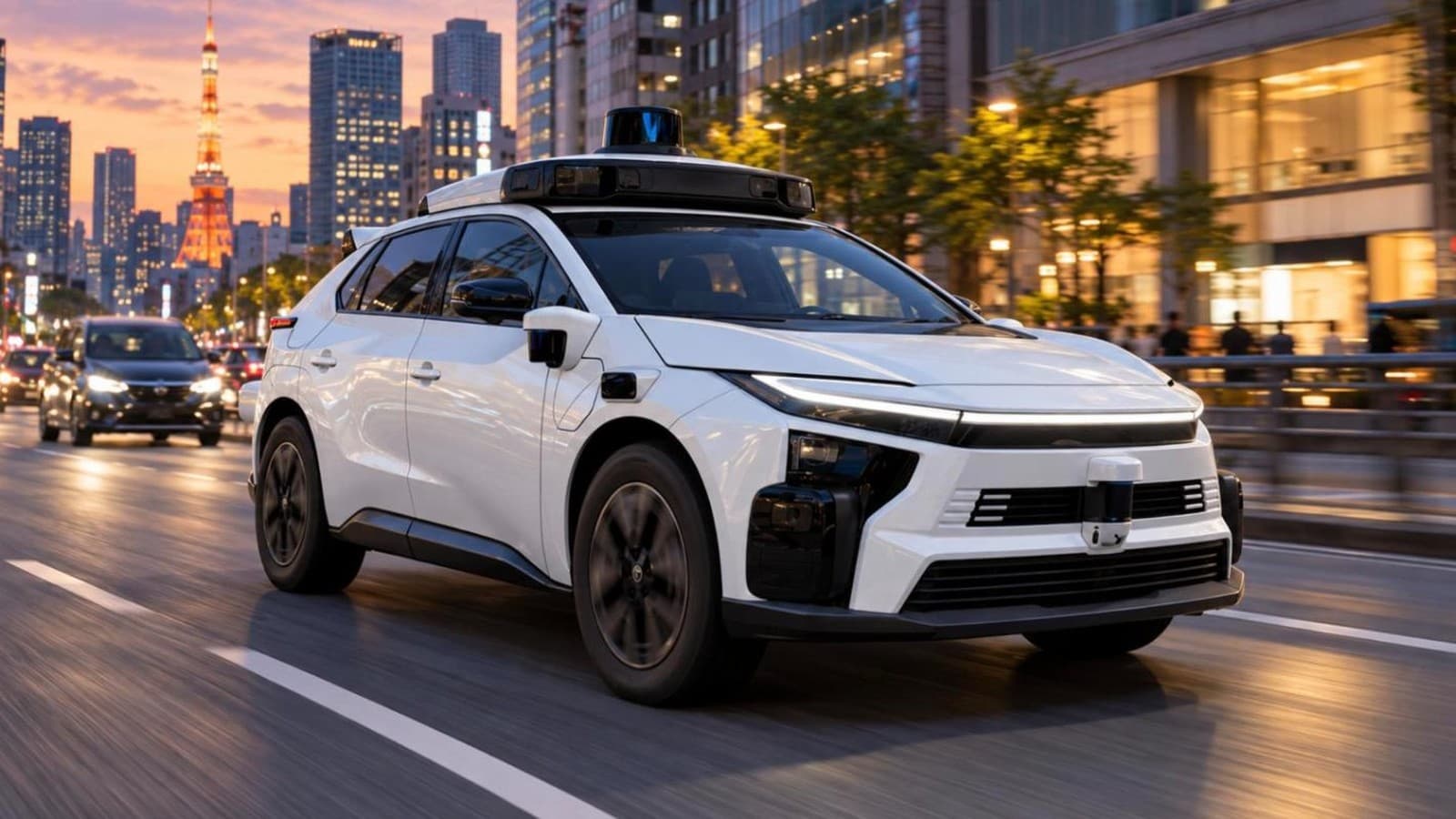
Waymo's next robotaxi won't be a custom-built pod. It will be a Toyota bZ, built at the same Toyota plant as the regular car, with the whole job done under one roof. Toyota and Waymo announced on 30 October 2026 that the first Toyota Waymo robotaxi units will start testing and validation in Japan in 2027, per Waymo's own announcement and InsideEVs.
Built at a Toyota plant, not a robotaxi workshop
Toyota will build these driverless versions of the bZ electric crossover (called the bZ4X in Japan) at its Takaoka plant in Toyota City, Aichi Prefecture. Waymo's self-driving hardware will be fitted right there at the factory.
That's a big change. Today Waymo adds its sensors and computers to Jaguar I-Pace and Zeekr-built minivans at its own site in Mesa, Arizona. Moving that job onto a Toyota assembly line is how you make robotaxis in bigger numbers, at lower cost and with Toyota-level build quality.
The robotaxi bZ also gets a few rider-friendly touches from the factory:
- Automatic doors
- Power liftgate
- Ambient lighting
Neither company has said how many cars Toyota will build, or when a wide rollout will happen.
Japan first, then the UK
Waymo co-CEO Dmitri Dolgov said the plan starts with right-hand drive markets, Japan and the UK. The UK will get the cars in later years.
This fits with Waymo's Tokyo plans. In its September Tokyo announcement, Waymo said it aims to run fully driverless taxis in Tokyo in 2027 with taxi app GO and taxi firm Nihon Kotsu, starting small and growing to about 100 vehicles. Its Tokyo test cars right now are left-hand drive Jaguars with a safety operator on board. A right-hand drive Toyota made in Japan is a much better fit for Japanese roads.
For scale, Waymo has said it delivers more than 5 lakh (half a million) paid trips a week across its US cities, per InsideEVs; the city count keeps changing as it opens new markets, so treat any exact number as a snapshot.
The EVGyan take
Toyota has been called slow on EVs for years. Here it is building electric cars for one of the leading driverless taxi companies in the world. And every one of these robotaxis is a fully electric vehicle. When autonomous fleets scale, they will scale on batteries, because a car that runs for hours every day is far cheaper to keep going on electricity than on fuel.
India is also a right-hand drive market, but Waymo has announced no plans here, and Indian traffic is a very different test. For now, this is one to watch, not one to wait for.
Trending
- Hero VIDA UBX 06 Pro Electric Bike Could Launch in India in 2027, Here's What We Know
- Hero VIDA VX2 Wireless Charging Revealed: Charge Without Plugging In
- Hero VIDA Project VXZ: New Electric Motorcycle Showcased at EICMA 2026
- Mahindra Electric SUV Output Jumps 50% to 12,000 a Month
- ChargeZone's 1,000 New Sites Will Carry 480kW Chargers
- Tata iRA.ev App: 4 High-Severity Flaws, Already Patched
- Gadkari Proposes ₹3/Unit Night EV Charging for Maharashtra