Tesla India Grew 627.5% in a Year, Still 171 Behind BMW
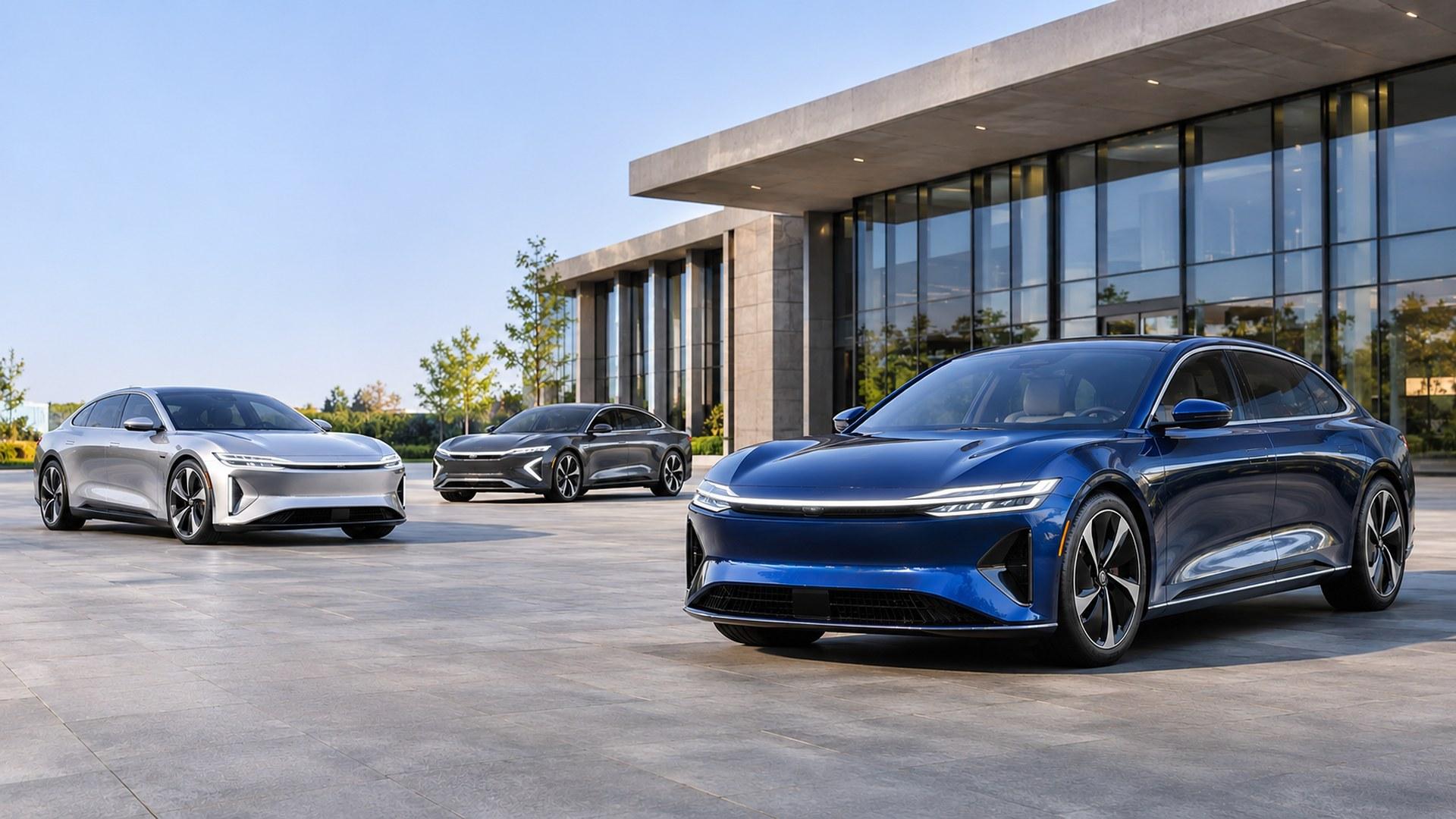
India registered 868 luxury electric cars in October 2026, and Tesla took 291 of them. That is up 627.5% from the 40 it registered in October last year. BMW still finished on top with 462, but the gap between the two is down to 171 cars. A year ago it was 325.
These luxury EV registrations come from Vahan, the government's vehicle registration database. They are cars actually put on the road, not units shipped to dealers.
The category as a whole grew 53.1% year on year, from 567 cars to 868. It did slip 15.6% from September, but September was the biggest month this segment has ever had at 1,028 cars. Second-best ever is not a bad October.
For scale: India registered 36,708 electric cars of all kinds last month. Luxury EVs are about 2.4% of that. Small, but it is the slice where the money is.
Tesla's cheapest car now undercuts BMW's cheapest
The simplest explanation for Tesla's year is a price tag.
The Model Y starts at ₹50.89 lakh ex-showroom. BMW's most affordable electric car, the iX1 LWB, starts at ₹52.70 lakh. Both figures are from CarWale's November 2026 India price list, so it is a like-for-like check on the same day. Tesla's entry EV is ₹1.81 lakh cheaper than BMW's entry EV.
That Model Y price follows a ₹9 lakh cut, according to a Vahan-based report. Tesla sells two cars in India right now, the Model Y and the six-seat Model Y L at ₹61.99 lakh. Two cars, one price band, and a third of the luxury EV market.
BMW plays a completely different game. Its electric range stretches from the iX1 up to the i5 at ₹1.20 crore, the iX at ₹1.40 crore and the i7 at ₹1.95 crore. Six electric models against Tesla's two.
And BMW is not shrinking. It registered 462 cars in October, 26.6% more than last October, and 4,132 electric cars from January to October, up 48%. What fell was its share, from 64.4% to 53.2%. The category grew faster than BMW did. That is a different problem from losing customers.
The two of them together took 86.8% of the segment. The other six brands managed 115 cars between them.
Mercedes had a bad October, then launched the GLC
Mercedes-Benz is the one genuine casualty in the table. It registered 62 electric cars, down 48.8% from 121 a year ago, and down 54.1% from September. Its share of luxury EVs fell from 21.3% to 7.1%.
October is the wrong month to judge it, though. The GLC Electric went on sale on 4 November at ₹78.50 lakh, and it had already pulled 650-plus expressions of interest in its first 36 hours. Those cars get registered in November and December, not October. If the GLC does what Mercedes expects, this 62 will look like the floor rather than the trend.
Audi and Jaguar registered nothing at all
Two brands put zero electric cars on Indian roads in October. Audi registered none. Jaguar registered none. Lotus managed exactly one.
Jaguar's zero has an end date. JLR India said this week it will bring the Range Rover Electric and Range Rover Sport Electric here in 2027, imported first to test the response. Audi has no equivalent announcement.
Volvo is the quiet one worth watching: 37 cars, up 54.2% year on year, growing at roughly the same rate as the segment. Porsche registered 15, exactly what it did last October.
Here is the full month:
- BMW: 462 (+26.6% YoY)
- Tesla: 291 (+627.5% YoY)
- Mercedes-Benz: 62 (-48.8% YoY)
- Volvo: 37 (+54.2% YoY)
- Porsche: 15 (unchanged)
- Lotus: 1 (unchanged)
- Jaguar: 0
- Audi: 0
What this means for you
If you are shopping at this end of the market, the useful takeaway is that ₹50-55 lakh has become a real battleground. Twelve months ago a luxury EV in India mostly meant a BMW. Now a Tesla Model Y costs less than a BMW iX1 LWB, and a Mercedes GLC Electric sits at ₹78.50 lakh with a fresh order book.
More brands fighting over the same buyer is how prices move. BMW cut nothing this year and still lost 11 points of share. It will notice.
A word of caution on Tesla's 627.5%. That number is enormous because the base was tiny: 40 cars. Tesla began customer deliveries in India only in September last year, so almost any growth looks spectacular. The steadier figure is the cumulative one. Between 1 January and 26 October, Tesla registered 990 cars against Mercedes-Benz's roughly 1,369 and BMW's 4,014, on Vahan data compiled by Flash Finance. Tesla is about 72% of Mercedes and a quarter of BMW for the year so far. Strong, but not yet a challenger at the top.
Also worth knowing before you sign anything: Tesla's Autopilot self-driving pack is a roughly ₹6 lakh option that does not function in India yet, per its India price listing. Pay for it on the promise if you want to, but do not pay for it expecting it to work on the drive home.
The EVGyan take
October looks like a bad month if you only read the minus signs. It was not. A category that grew 53% in a year took one breather after a record September, and the reason it slowed is more interesting than the slowdown: nobody launched anything in October. Mercedes launched in November. JLR launches in 2027.
The real story in this table is that India's luxury EV market stopped being one brand's private garden. BMW's share is down 11 points, Tesla has a third of it, and two legacy luxury names registered nothing at all. Buyers at ₹50 lakh and above have genuine choice for the first time, and that is new.
(All figures are Vahan retail registrations. They are registrations, not sales or dispatches, and late uploads can shift early numbers slightly.)
Sources
Get India's monthly EV sales data by email
Every month we pull the Vahan registration numbers apart — by segment, by state, by model — and send you what actually changed. No brand pressure, no hype.
One email a month. Unsubscribe anytime. See our privacy policy.
Read next
On This Page
Latest
- Accelero's eBik Jumps From 3,000 to 12,000 Units a Year
- CATL Is at 2,520 Swap Stations and Wants 3,000 by December
- China Exported 582,000 EVs in October, 16x India's Market
- China Rare Earth Curbs Delayed to 10 January: India's EVs Get 60 Days
- Force Traveller EV Arrives Q1 2027, ₹3,000 Crore Behind It
- Honda Ohio Plant: $3 Billion for Hybrids, Not EVs
- HPCL EV Charging Network Now 5,981 Points, 176 for Swapping