
Tesla China Sales Fell to 8,817 in October, Down 66%
Tesla registered 8,817 cars in China in October. That is its weakest month there since July 2022, a 66.1 percent fall year on year, and it is why Tesla has dropped out of China's top 10 new energy vehicle brands altogether.
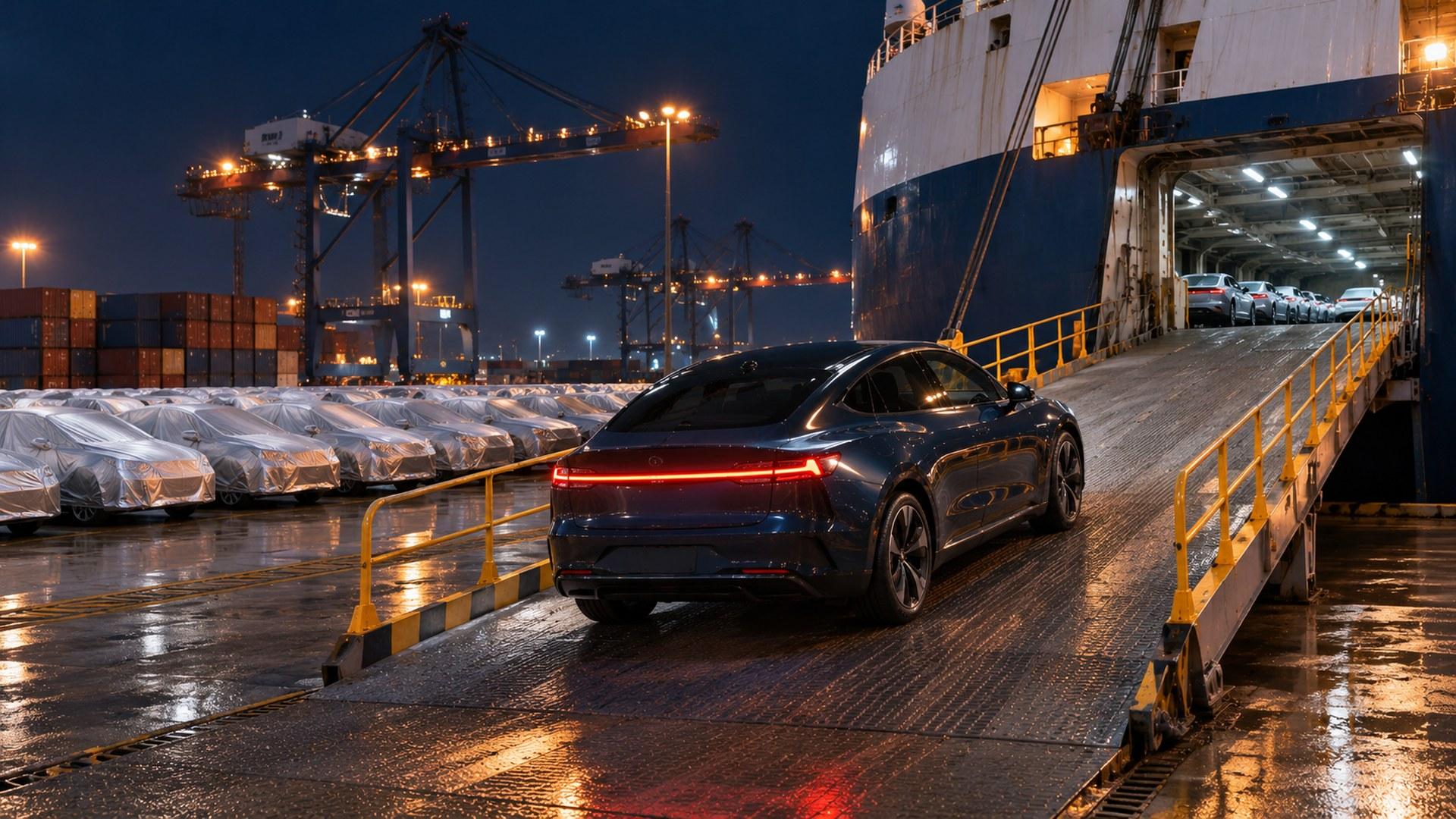
The figures come from the China Passenger Car Association. Tesla's Shanghai plant shipped 67,829 vehicles in the month, but 59,012 of those went on boats. Take the exports out and 8,817 cars were left for Chinese buyers, which is 13 percent of what the factory built.
87 percent of Shanghai's output left the country
Exports have never taken that large a share of the plant's monthly output. The old record was 76.01 percent, set in October 2022. Shanghai's October exports were up 66.27 percent year on year and 93.30 percent on September, the second-biggest export month the factory has had, behind only July this year.
Read generously, Shanghai is doing what it was built for: feeding Europe, Australia and the rest of Asia while home demand softens. Read plainly, Tesla's domestic retail in China has now fallen year on year five months running, and October is the first time it has gone under 10,000 cars since mid-2022.
BYD took 22.4 percent, and the top 10 has no Tesla in it
October's NEV retail ranking in China:
- BYD: 250,301 units, 22.4 percent share
- Geely: 131,708 units, 11.8 percent
- Leapmotor: 83,573 units, 7.5 percent
- Changan: 68,925 units, 6.2 percent
- SAIC-GM-Wuling: 67,696 units, 6.1 percent
- Xiaomi Auto: 50,123 units, 4.5 percent
Chery, SAIC Passenger Vehicle, GWM and Xpeng take seventh to tenth, the last on 36,911 units. Tesla was fourth in September with a 6.0 percent share. In October it is off the list.
BYD is not enjoying itself either. Its 250,301 units are down 15.4 percent year on year and its share slipped from 22.8 percent. China's NEV retail fell 13.7 percent to 1.109 million cars, a tenth straight month of annual decline, and only three of the top 10 grew.
The number going the other way is penetration: 67.5 percent of all passenger cars retailed in China in October were electric or plug-in hybrid, a record, up from 57.2 percent a year ago. The EV market is shrinking far slower than the petrol one.
What this means for you
None of this changes an Indian price tag, but two things are worth filing away.
Tesla sells imported cars here and registered 291 of them in October, against 8,817 in all of China. That ratio used to be laughable. It is not any more, and a factory running at 87 percent exports is a factory looking for buyers.
BYD, meanwhile, has a home market going backwards and an export business growing, with its Denza brand due to launch in India on 13 November. Carmakers under pressure at home usually try harder abroad, and that tends to reach buyers as sharper pricing.
The EVGyan take
A 66 percent drop is a real number and we are not going to dress it up. But China's entire car market fell 25 percent in October while EV share hit a record 67.5 percent. Tesla's trouble there is not that buyers went back to petrol. It is that local brands now build the cars people want, and Tesla is defending a two-model line-up against a dozen of them.
Not sure which EV is right for you?
Get the free EV Buying Decision Guide — real range vs claimed range, and a clear buy-or-wait answer based on your own situation.
Get the free buying guide →Sources
Get India's monthly EV sales data by email
Every month we pull the Vahan registration numbers apart — by segment, by state, by model — and send you what actually changed. No brand pressure, no hype.
One email a month. Unsubscribe anytime. See our privacy policy.
Read next
On This Page
Latest
- Accelero's eBik Jumps From 3,000 to 12,000 Units a Year
- CATL Is at 2,520 Swap Stations and Wants 3,000 by December
- China Exported 582,000 EVs in October, 16x India's Market
- China Rare Earth Curbs Delayed to 10 January: India's EVs Get 60 Days
- Force Traveller EV Arrives Q1 2027, ₹3,000 Crore Behind It
- Honda Ohio Plant: $3 Billion for Hybrids, Not EVs
- HPCL EV Charging Network Now 5,981 Points, 176 for Swapping